


Taper: Health Supplement
Artroflex Active
Taper: Health Supplement
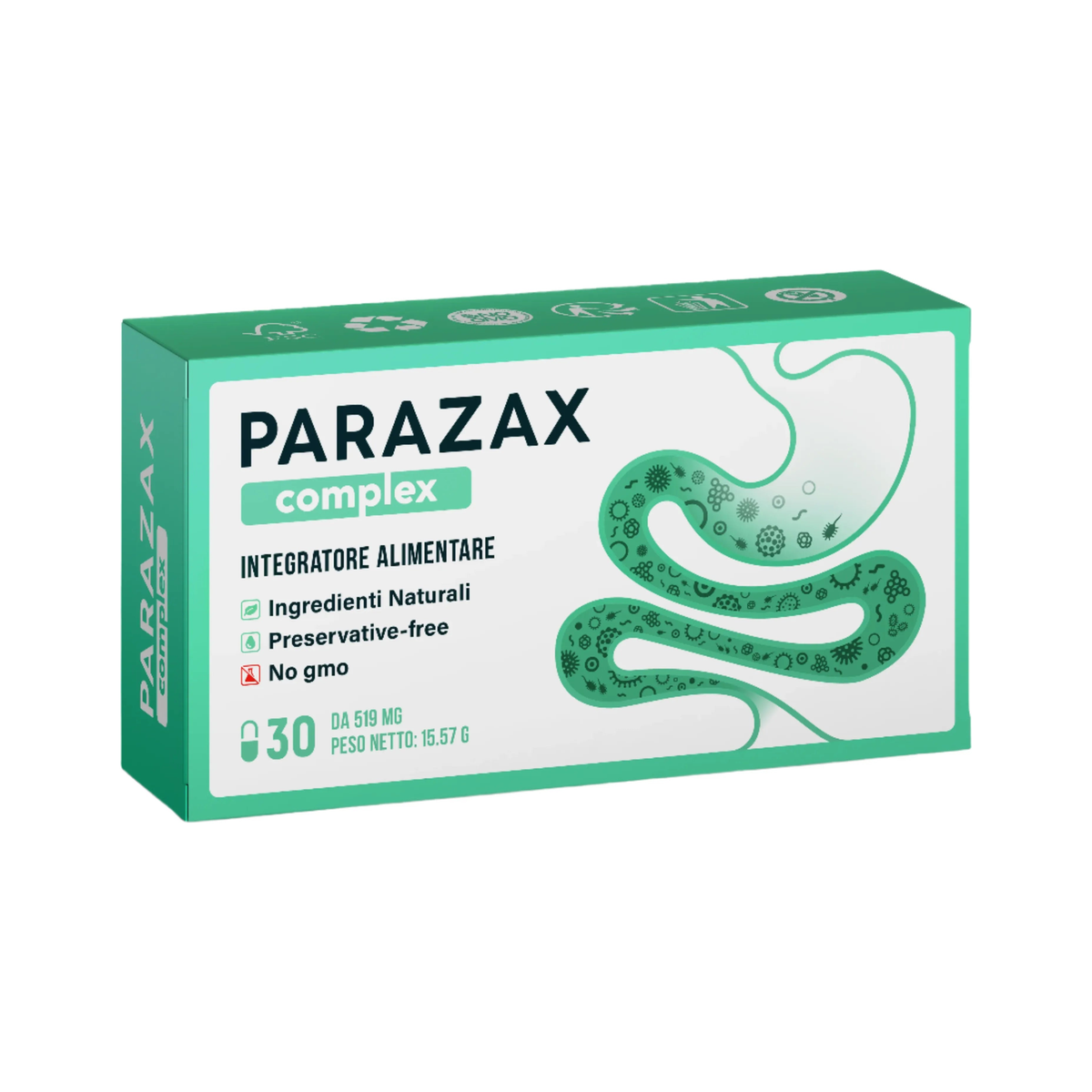
Parazax Complex


Blog posts

Joint care at every age
Joint care at every age: training, everyday habits, nutrition andArtroflex Active Your joints are involved in almost every movement you make, from climbing stairs to liftingweights at the gym. Looking after them is worth it at any age: when you train regularly,when you sit at a desk all day and when you get older. This guide brings together practical, everyday habits around movement, training, rest andnutrition. It is general information and does not replace advice from a doctor orphysiotherapist. In the second part, we introduce Artroflex Active, our Swiss-made food supplement, andexplain what is inside it, how it is made and how to take it. How joints work A joint is the place where two bones meet. Most of the joints you use when you move,such as knees, hips and shoulders, are built from the same main parts: Cartilage: a smooth, firm tissue that covers the ends of the bones. Synovial fluid: a thick fluid inside the joint capsule. Ligaments: strong bands of connective tissue that connect bone to bone. Tendons: they connect muscles to bones and transfer the force of the muscle. Muscles: the muscles around a joint move it and help keep it stable. Collagen is one of the main structural proteins in cartilage, tendons, ligaments and bones. Looking after your joints when you train Whether you run, lift weights, play football or go to yoga, a few simple habits make yourtraining more comfortable and sustainable. Warm up for 5–10 minutes. Light cardio and dynamic movements, such as leg swings orarm circles, get your body ready for the session. Increase the load step by step. Raise weight, distance or intensity gradually instead ofmaking big jumps from one week to the next. Joint care at every age — blog post (EU store) Page 1 of 9 Focus on technique. Good form matters more than heavy weights. If you are unsure,ask a qualified trainer to check your movements. Train your muscles. Regular strength training for legs, hips, back and shoulders buildsthe muscles that move and stabilise your joints. Vary your training. Mix high-impact activities, like running and jumping, with low-impact ones, like cycling or swimming. Plan rest days. Recovery is part of training. Sleep and rest days give your body time toadapt. Wear the right shoes. Choose footwear that suits your sport and replace runningshoes when the sole is worn. Listen to your body. Discomfort that does not go away after a session is a signal toslow down and, if needed, get advice. Staying active in later life Movement remains important as we get older. Regular activity keeps muscles strong andhelps you stay independent in everyday life. Move every day. Walking, gardening and taking the stairs all count. Small amounts ofactivity spread over the day add up. Choose low-impact activities. Swimming, aqua fitness, cycling, Nordic walking andyoga are gentle options for many people. Keep up strength training. Exercises with light weights, resistance bands or your ownbody weight help maintain muscle mass. Practise balance. Simple exercises, like standing on one leg while holding a chair, trainbalance and coordination. Keep a healthy body weight. Your knees and hips carry your body weight with everystep. Start slowly. If you have not exercised for a while, begin with short sessions and speakto your doctor about which activities suit you. Everyday habits that make a difference You do not need to be an athlete to think about your joints. Many people spend most ofthe day sitting, which brings its own challenges. Take movement breaks. Stand up and move for a few minutes every 30–60 minutes. Set up your workplace. Adjust chair, desk and screen height so you can sit upright withyour feet flat on the floor. Joint care at every age — blog post (EU store) Page 2 of 9 Lift with your legs. When you lift something heavy, bend your knees, keep your backstraight and hold the load close to your body. Sleep enough. Most adults need 7–9 hours of sleep a night for recovery and well-being. Nutrition: a varied diet comes first A varied, balanced diet is the basis for supplying your body with the nutrients it needs.Several vitamins and minerals play a role in bones, muscles and connective tissue.Nutrient Role in the body Found for example in Vitamin C Contributes to normal collagenformation for the normal function ofbones and cartilage Peppers, citrus fruit, kiwi, berries,broccoli Vitamin D Contributes to the maintenance ofnormal bones and normal musclefunction Oily fish, eggs; the body alsoproduces it in sunlight Calcium Is needed for the maintenance ofnormal bones Dairy products, fortified plantdrinks, green leafy vegetables Protein Contributes to the maintenance ofnormal bones and to a growth inmuscle mass Fish, meat, eggs, dairy, legumes Magnesium Contributes to normal musclefunction Nuts, seeds, whole grains, legumes Manganese Contributes to the normal formationof connective tissue Whole grains, nuts, tea Copper Contributes to the maintenance ofnormal connective tissues Nuts, seeds, whole grains, cocoa
Apprendre encore plus
Join the Geberich newsletter: new products and offers first
Join the Geberich newsletter: new products and offers first New products and special offers at Geberich are often announced to our newsletter subscribers first. If you sign up, you hear about them as soon as they start, straight in your inbox. Signing up is free, and you can unsubscribe at any time with one click. What you get as a subscriber What What it means for you New products Be among the first to know when a new Geberich product arrives in the shop Offers and promotions Hear about seasonal offers, bundle deals and promotions such as Black Friday as soon as they start Subscriber-only codes Receive discount codes that we send only by newsletter Guides and articles Read our latest blog posts on everyday habits, ingredients and how to use our products Shop updates Stay informed about changes to delivery, subscriptions and opening of new markets Your data and how to unsubscribe We use your email address only to send you the Geberich newsletter, in line with the EU General Data Protection Regulation (GDPR). You can find all details in our privacy policy. Every newsletter contains an unsubscribe link at the bottom. One click is enough, and you will not receive any more newsletters. You can also write to support@geberich.com at any time. Frequently asked questions Is the Geberich newsletter free?Yes. Subscribing is free, and you can unsubscribe at any time. How do I unsubscribe?Click the unsubscribe link at the bottom of any newsletter, or write to support@geberich.com. Don’t miss the next launch or offer Enter your email address below to subscribe. The next new product or offer will land straight in your inbox.
Apprendre encore plus
Heart-friendly habits and CardioBalance
Your heart works every second of your life, at rest, at work and during training. Many everyday choices, from how much you move to what is on your plate, are part of a healthy lifestyle at any age. This guide brings together practical habits around movement, eating, sleep and regular check-ups. In the second part, we introduce CardioBalance, our Swiss-made food supplement, and explain what is inside it, how it is made and how to take it. This article is general information and does not replace advice from a doctor. The heart in brief The heart is a muscle about the size of a fist. It pumps blood through the blood vessels to every part of the body, delivering oxygen and nutrients. At rest, an adult heart usually beats between 60 and 100 times per minute. During exercise, the heart beats faster to supply the working muscles with more oxygen. Like other muscles, the heart needs energy, which the body produces from the food you eat. Move regularly The World Health Organization (WHO) recommends that adults do 150–300 minutes of moderate-intensity or 75–150 minutes of vigorous-intensity aerobic activity per week, or a combination of both, plus muscle-strengthening activities on at least two days a week (WHO 2020 guidelines). Any amount of activity is better than none. Type of activity How much per week Examples Moderate-intensity aerobic 150–300 minutes Brisk walking, cycling at a comfortable pace, dancing Vigorous-intensity aerobic (alternative) 75–150 minutes Running, fast cycling, swimming laps Muscle strengthening At least 2 days Weights, resistance bands, body-weight exercises If you train regularly: Warm up for 5–10 minutes and cool down after the session. Increase the load step by step instead of making big jumps in intensity or distance. Drink enough, especially in warm weather and during long sessions. Plan rest days so your body can recover. Break up long sitting periods with short walks or stretching, even on days without training. Eating habits A varied, balanced diet is the basis of a healthy lifestyle. The WHO recommends, among other things (WHO Europe): eating at least 400 g, or 5 portions, of fruit and vegetables every day; choosing a variety of vegetables, fruit, legumes, nuts and whole grains; limiting salt to less than 5 g per day, about one teaspoon, including the salt in bread and ready meals; limiting free sugars to less than 10% of daily energy, ideally less than 5%; replacing saturated and trans fats with unsaturated fats from fish, avocado, nuts and plant oils. Some vitamins and minerals have an officially recognised role in the body: Nutrient Role in the body Found for example in Vitamin B1 (thiamine) Contributes to normal heart function Whole grains, pork, legumes, nuts, seeds Magnesium Contributes to normal muscle function Nuts, seeds, whole grains, legumes Folic acid (folate) Contributes to normal blood formation and normal homocysteine metabolism Green leafy vegetables, legumes, citrus fruit Everyday habits Do not smoke. If you smoke, your doctor or a stop-smoking service can help you quit. Keep alcohol low. Less is better; many people choose alcohol-free days during the week. Sleep enough. Most adults need 7–9 hours of sleep a night. Make time to unwind. Walks, hobbies, time with friends or breathing exercises help many people deal with stress. Keep a healthy body weight. Regular activity and a balanced diet are the basis. In later life The WHO guidelines apply to older adults too. For people aged 65 and over, WHO also recommends varied activities that combine balance, coordination and muscle strengthening on at least three days a week (WHO 2020 guidelines). Stay active every day. Walking, cycling, swimming, dancing and gardening all count. Start gently. If you have not been active for a while, begin with short sessions and build up slowly. Go for regular check-ups. Ask your doctor how often you should have your blood pressure, cholesterol and blood sugar checked. Discuss supplements with your doctor if you take medication, as some ingredients can interact with medicines. Warning signs: when to stop and get help Stop exercising and seek medical help if you notice: chest pain, pressure or tightness; unusual shortness of breath; dizziness or fainting; a very fast or irregular heartbeat. If you have chest pain or pressure, severe shortness of breath or you faint, call 112 immediately. Food supplements are not a substitute for medical care. CardioBalance: our Swiss-made food supplement Some people choose to add a food supplement to their diet. Supplements do not replace a varied diet, regular exercise or medical care, but they can be one part of a daily routine. CardioBalance by Geberich is a food supplement in capsules, made in Switzerland. One jar contains 40 capsules. The amounts below are per daily portion of 3 capsules. Ingredient Per 3 capsules % NRV* Cranberry extract 5:1 450 mg ** Aronia extract 20:1 200 mg ** Magnesium 150 mg 40% Arginine 150 mg ** Hawthorn extract 6:1 150 mg ** Hibiscus extract 50 mg ** Olive extract 10:1 50 mg ** Grape extract 8:1 50 mg ** Blackcurrant extract 4:1 25 mg ** Coenzyme Q10 20 mg ** Vitamin B6 1.4 mg 100% Vitamin B1 (thiamine) 1.1 mg 100% Folic acid 100 µg 50% *NRV: Nutrient Reference Value. **NRV not established. The vitamins and magnesium in CardioBalance One daily portion of CardioBalance provides 100% of the Nutrient Reference Value for vitamins B1 and B6, 50% for folic acid and 40% for magnesium. Vitamin B1 contributes to normal heart function. Magnesium contributes to normal muscle function. Folic acid contributes to normal blood formation and normal homocysteine metabolism. How to use CardioBalance Take CardioBalance as recommended on the label; the nutritional values are given per 3 capsules, which is the daily portion. Swallow the capsules with a glass of water and store the jar closed, at room temperature, away from direct sunlight. Made in Switzerland CardioBalance is developed by Geberich and manufactured in Switzerland under GMP (Good Manufacturing Practice). Each jar carries a batch number and a best-before date. Important information before use Do not exceed the recommended daily dose. Food supplements should not be used as a substitute for a varied and balanced diet and a healthy lifestyle. Keep out of the reach of young children. Not suitable in case of allergy or hypersensitivity to any of the ingredients; check the label for full allergen information. If you are pregnant, breastfeeding or taking medication, consult a doctor or pharmacist before use. Frequently asked questions How much exercise does the WHO recommend for adults?150–300 minutes of moderate-intensity or 75–150 minutes of vigorous-intensity aerobic activity per week, plus muscle-strengthening activities on at least two days a week. How much salt per day does the WHO recommend?Less than 5 g per day, which is about one teaspoon, including the salt in bread and ready meals. Which vitamin contributes to normal heart function?Vitamin B1 (thiamine) contributes to normal heart function. It is found in whole grains, pork, legumes, nuts and seeds. What is CardioBalance?CardioBalance is a Swiss-made food supplement by Geberich. It combines plant extracts, coenzyme Q10, arginine, magnesium, vitamins B1 and B6 and folic acid. What are the ingredients of CardioBalance?Per 3 capsules: 450 mg cranberry extract, 200 mg aronia extract, 150 mg magnesium, 150 mg arginine, 150 mg hawthorn extract, 50 mg each of hibiscus, olive and grape extract, 25 mg blackcurrant extract, 20 mg coenzyme Q10, 1.4 mg vitamin B6, 1.1 mg vitamin B1 and 100 µg folic acid. How many capsules are in one jar of CardioBalance?One jar contains 40 capsules. Follow the recommended daily dose on the label. Is CardioBalance a medicine?No. CardioBalance is a food supplement. It is not intended to diagnose, treat, cure or prevent any disease and does not replace medication prescribed by your doctor. Where is CardioBalance made?In Switzerland, under GMP quality standards. Summary A heart-friendly lifestyle rests on everyday habits: regular movement, a varied diet with plenty of fruit and vegetables and little salt, enough sleep, no smoking and regular check-ups with your doctor. If you would like to add a food supplement to your routine, you can find all details, the label information and purchase options for CardioBalance on the product page. This article is for general information only and does not replace medical advice. CardioBalance is a food supplement and is not intended to diagnose, treat, cure or prevent any disease. Food supplements should not be used as a substitute for a varied and balanced diet and a healthy lifestyle. Do not exceed the recommended daily dose. Sources: WHO 2020 guidelines on physical activity (https://bjsm.bmj.com/content/54/24/1451?s=09) · WHO Europe: Nutrition – maintaining a healthy lifestyle (https://who.int/europe/news-room/fact-sheets/item/nutrition---maintaining-a-healthy-lifestyle)
Apprendre encore plus